It is a privilege to work alongside a diverse team of researchers, IT developers and energy communities who are putting the clean energy transition into practice on the ground. Together, they sit down to share ideas and experiences, and to imagine a new energy future that fits their local realities.
On 9 and 10 June, SmartCORE partners met in Brussels for exactly this kind of exchange, bringing together knowledge, technology and practical experience.
In a packed room, representatives from the project's 15 partners shared the main progress made during the first half of the second year and looked ahead to the project's next steps. While some pilot sites are busy purchasing their first batteries (or raising the funds to do so) or running communication campaigns to raise awareness and encourage behavioural change within their communities, the technical partners are working together to develop energy management systems based on open-source tools and a shared approach, making it easier for community groups to adopt and build on them.
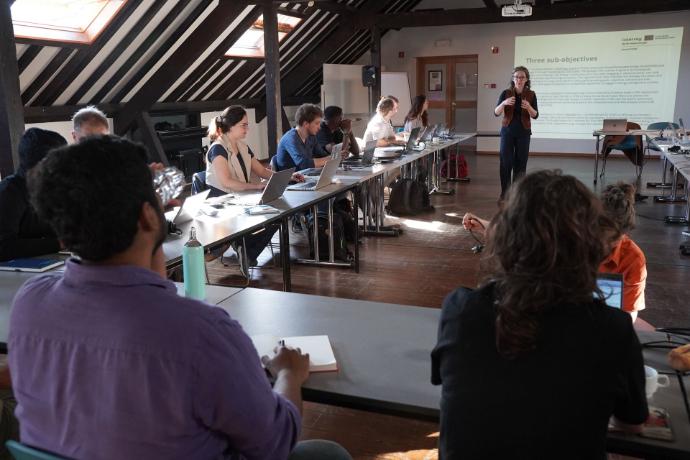
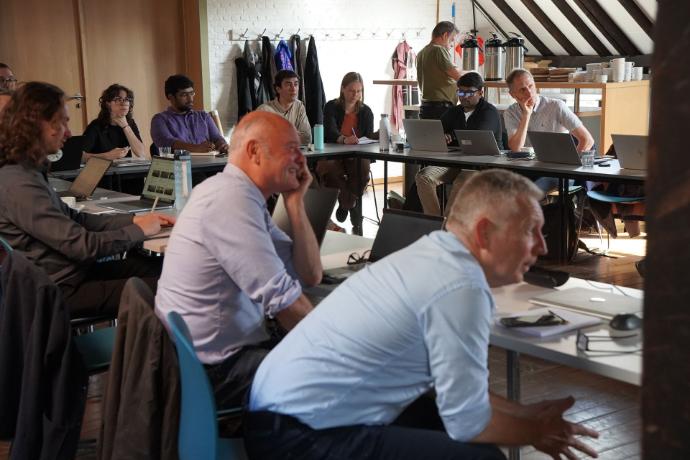
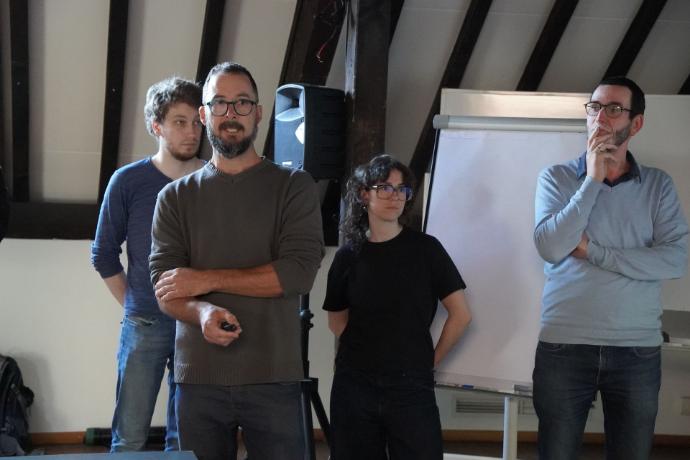

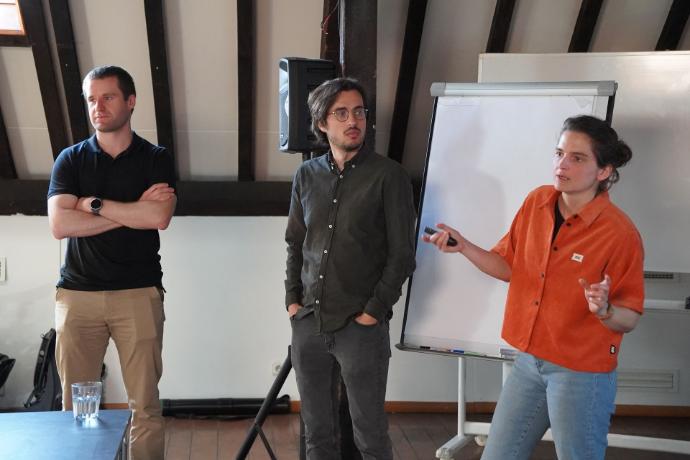
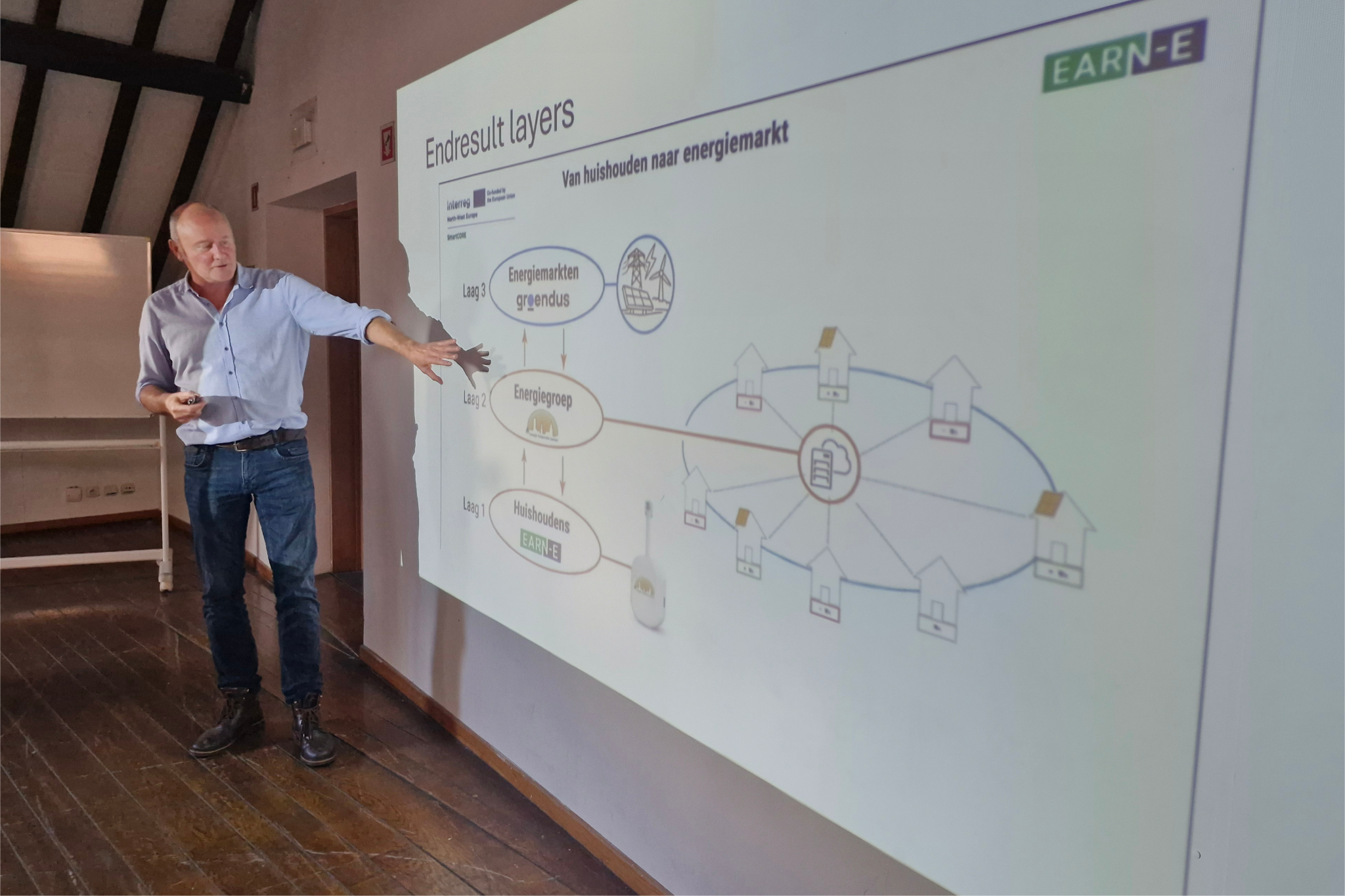
Young researchers present their work
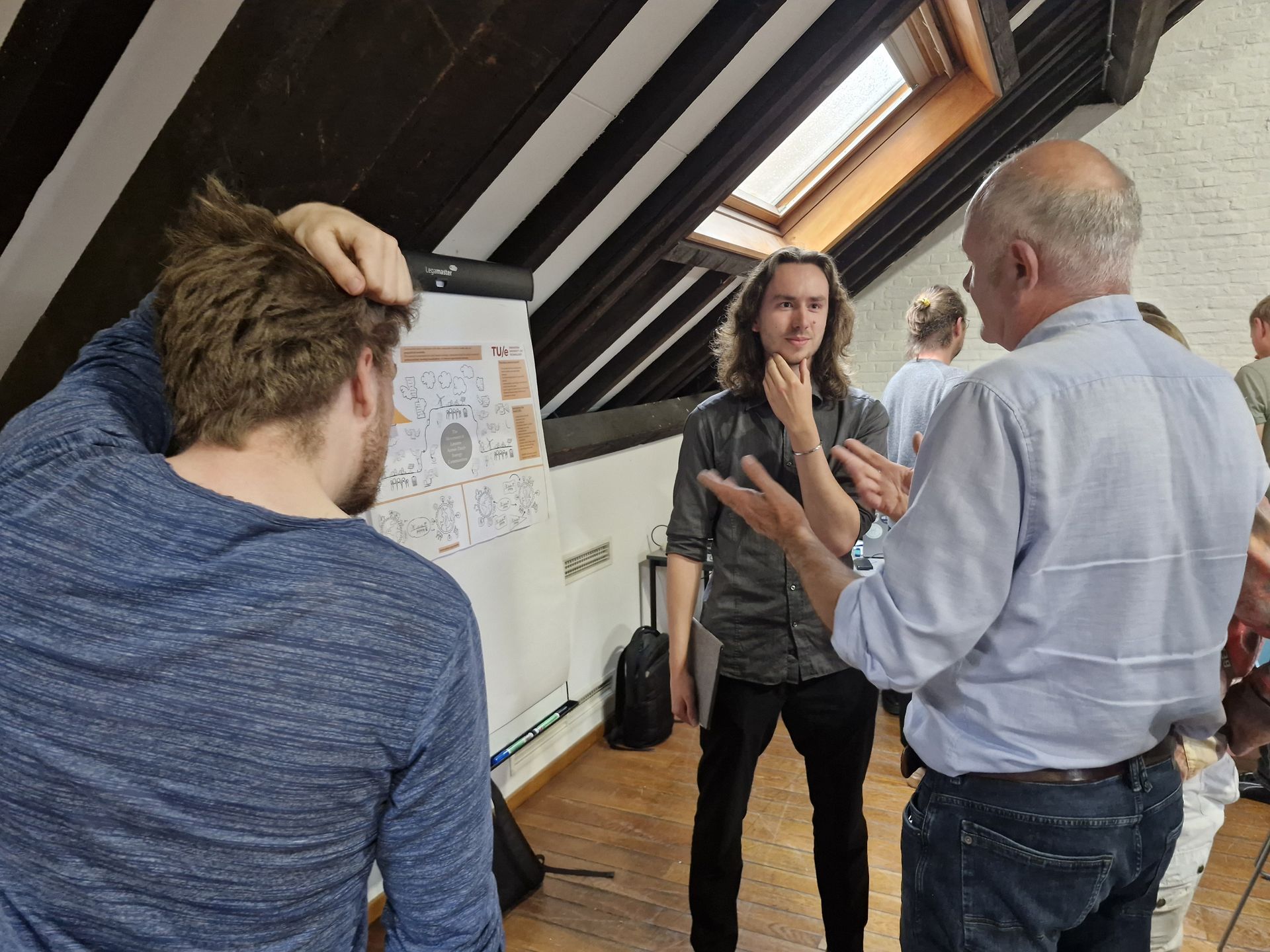
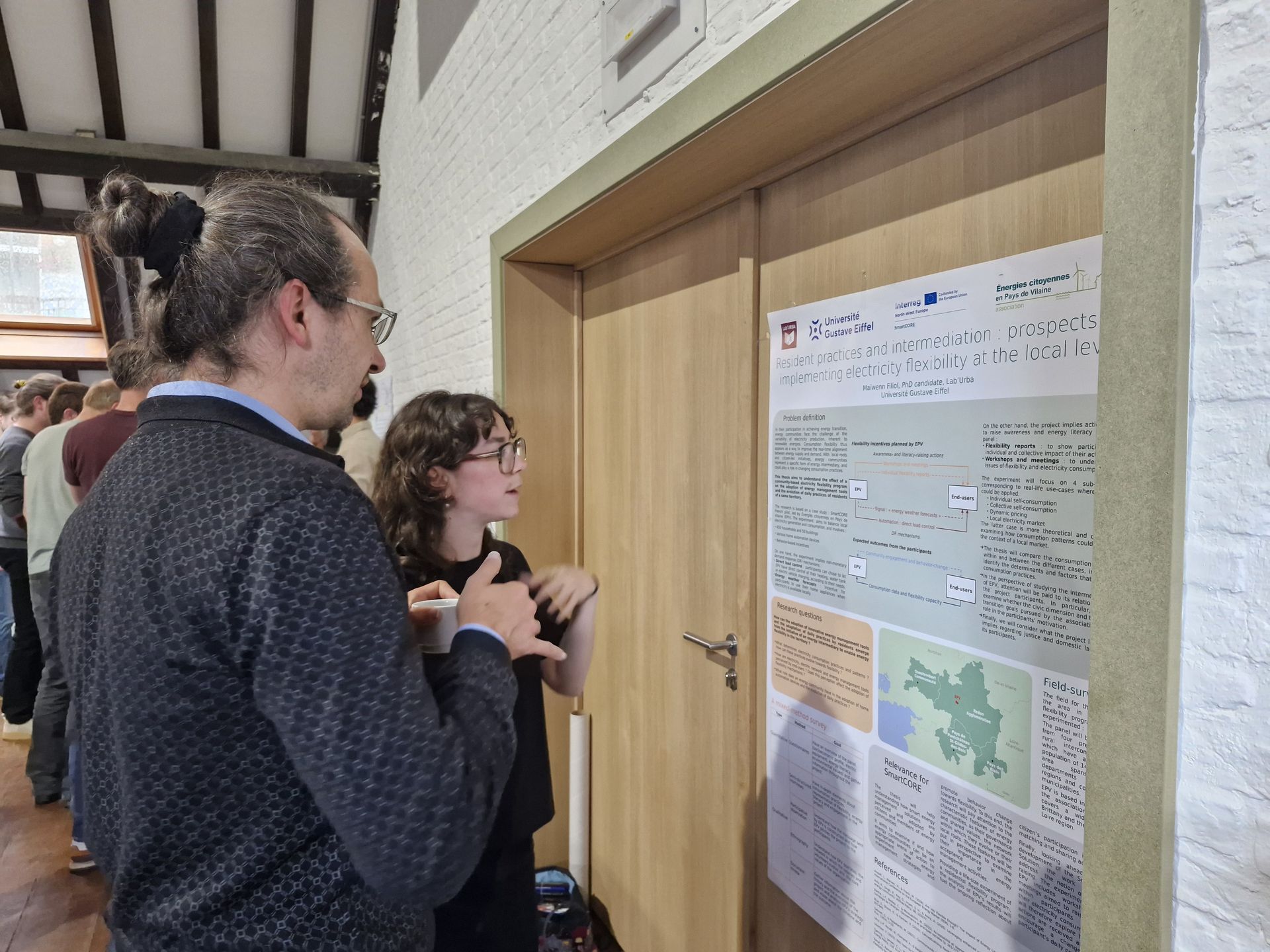
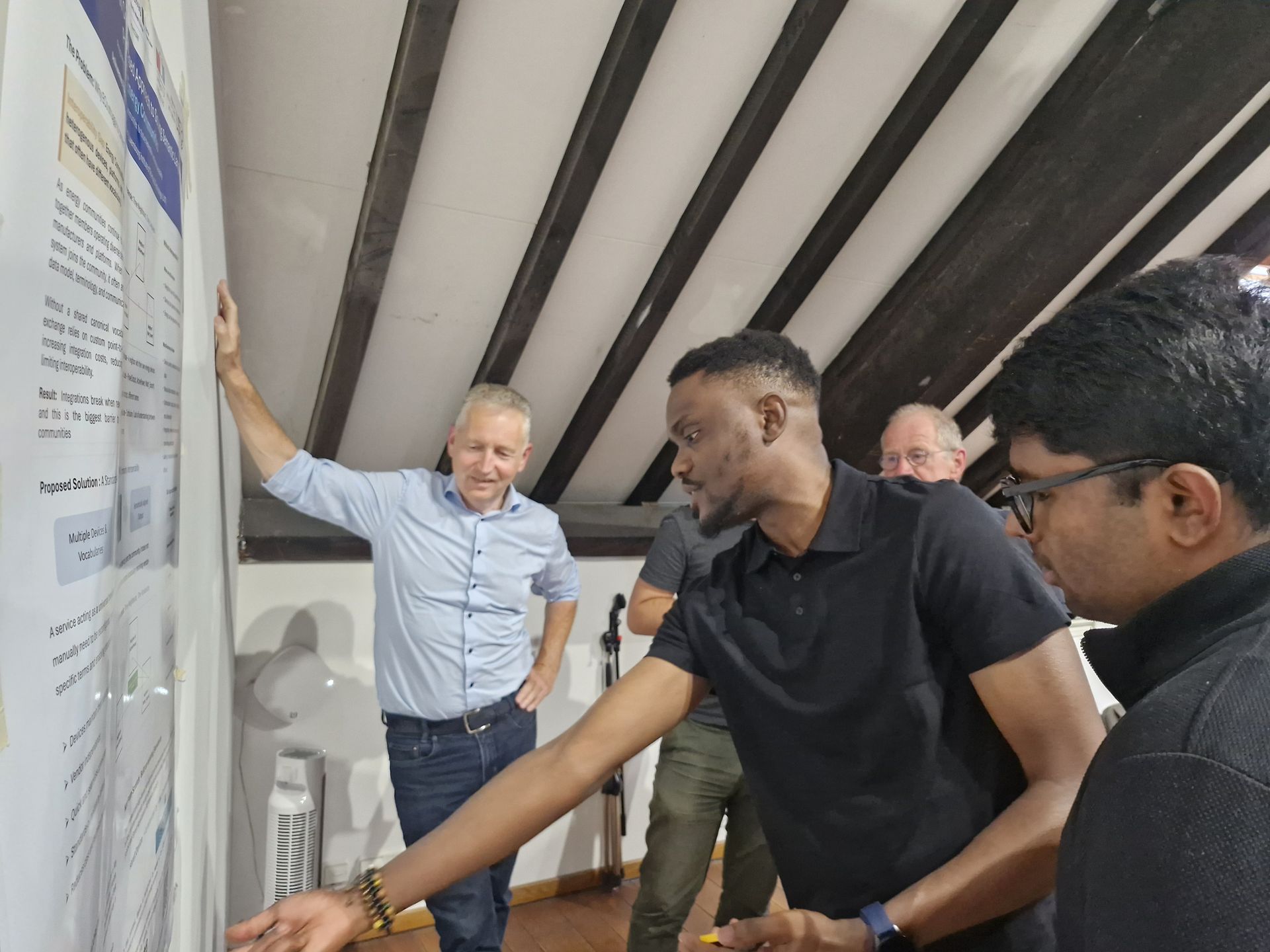
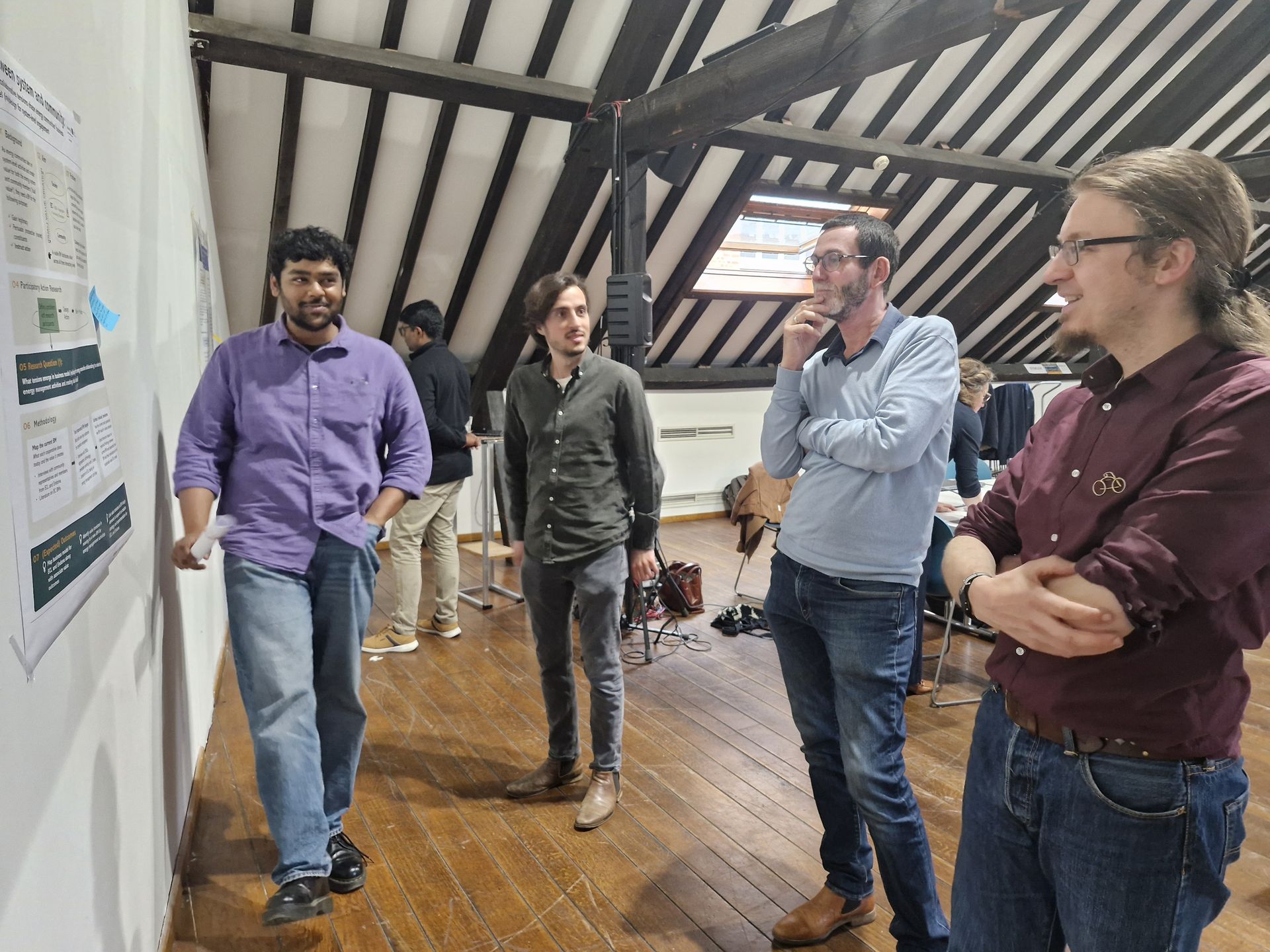
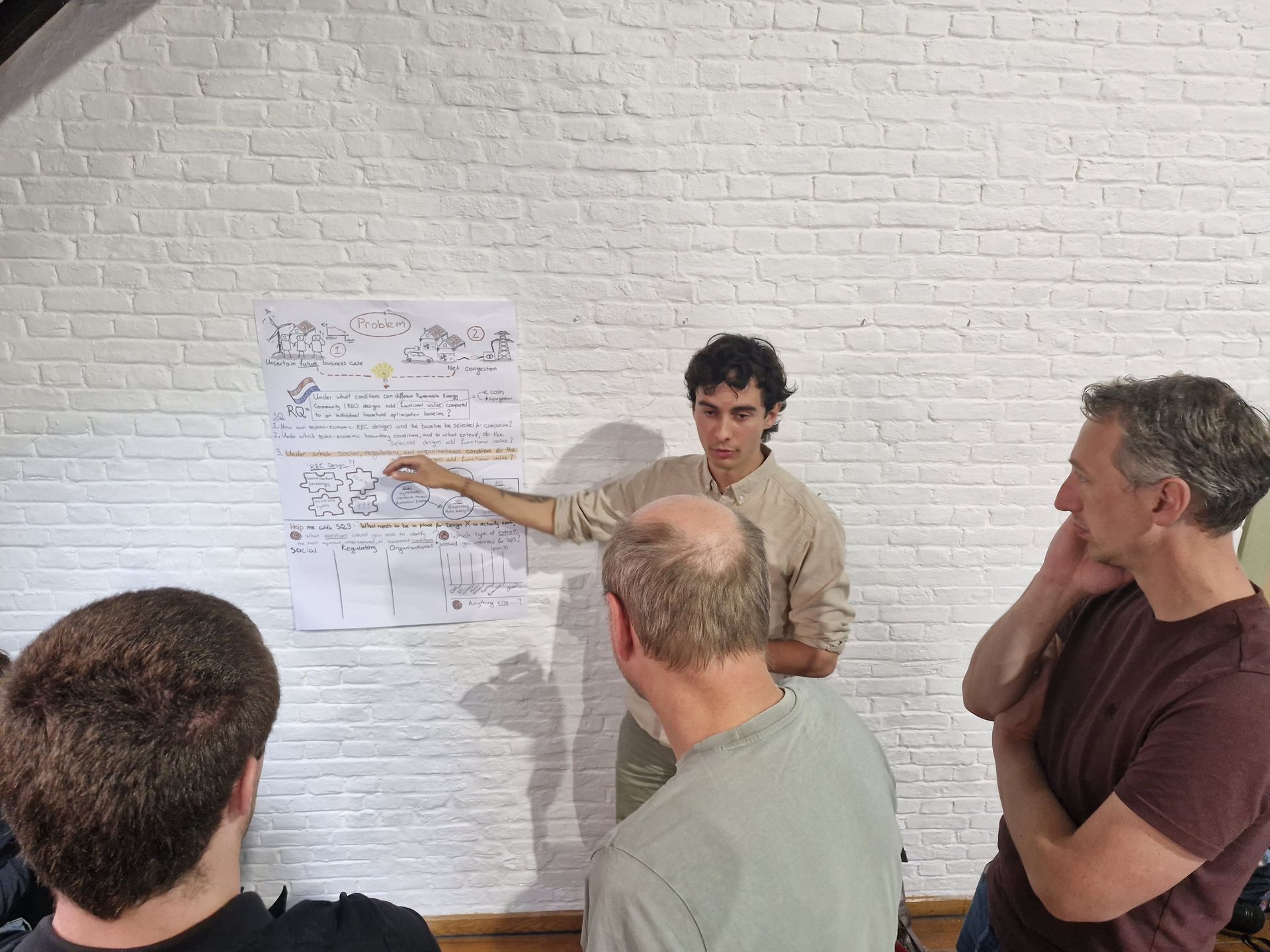
Knowledge-sharing and learning are central to SmartCORE. With several universities involved as project partners, PhD and master's students presented their research to the whole consortium through posters. Their topics ranged from energy and innovation to sociology and computer science. The exchange went both ways: project partners offered feedback to help improve the research, while the students' work sparked new ideas of its own.
Thinking together, creatively
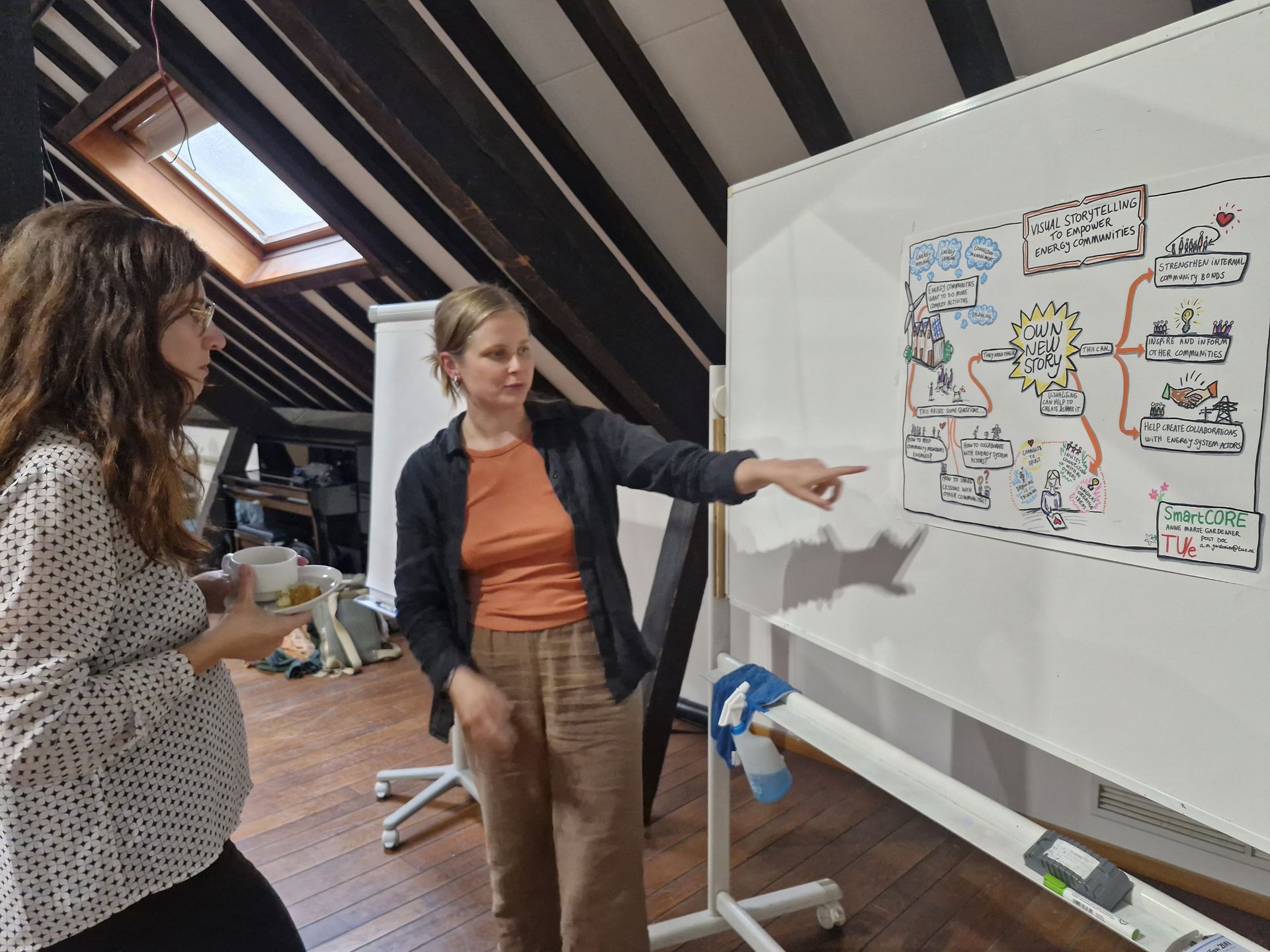
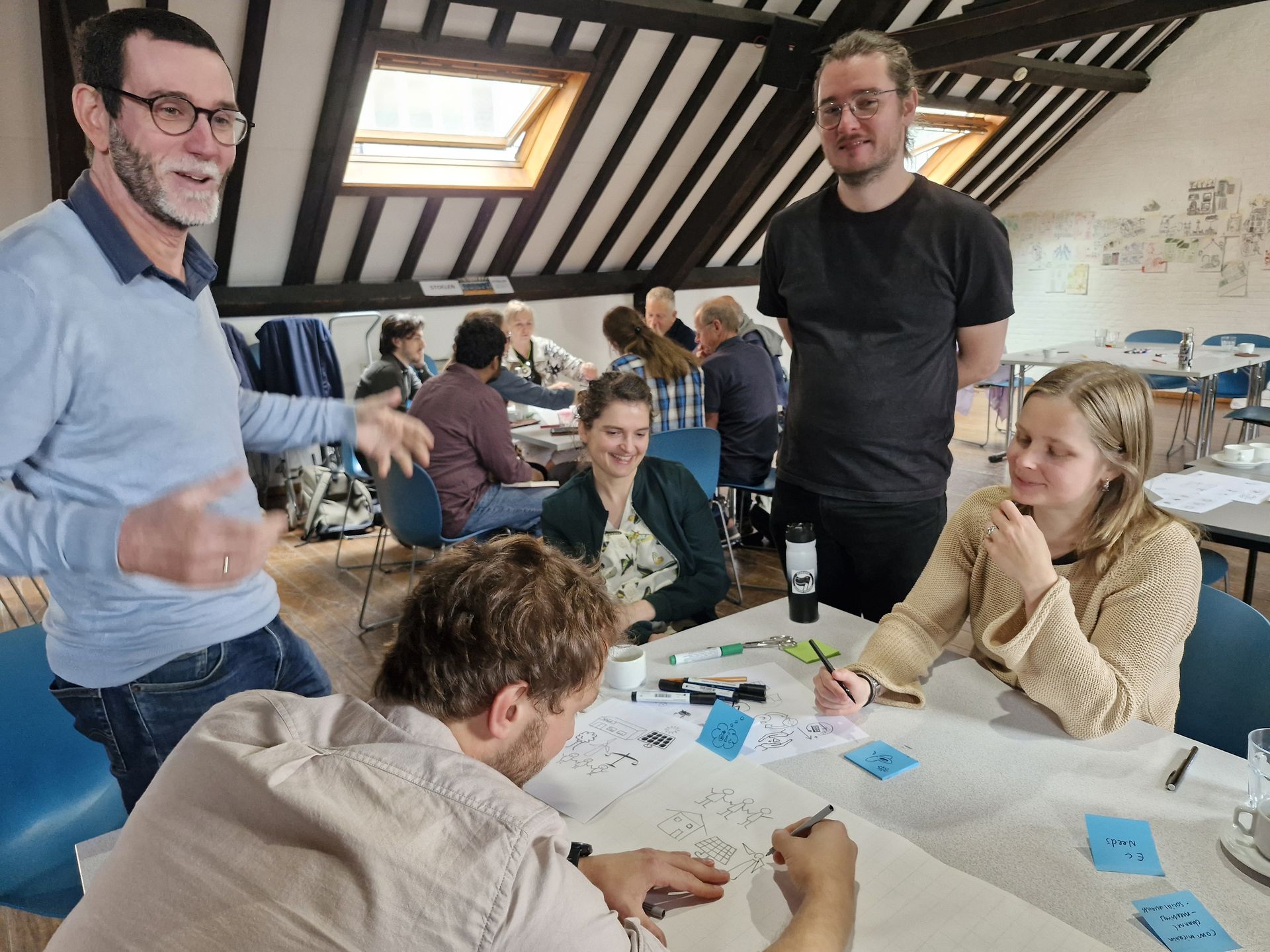
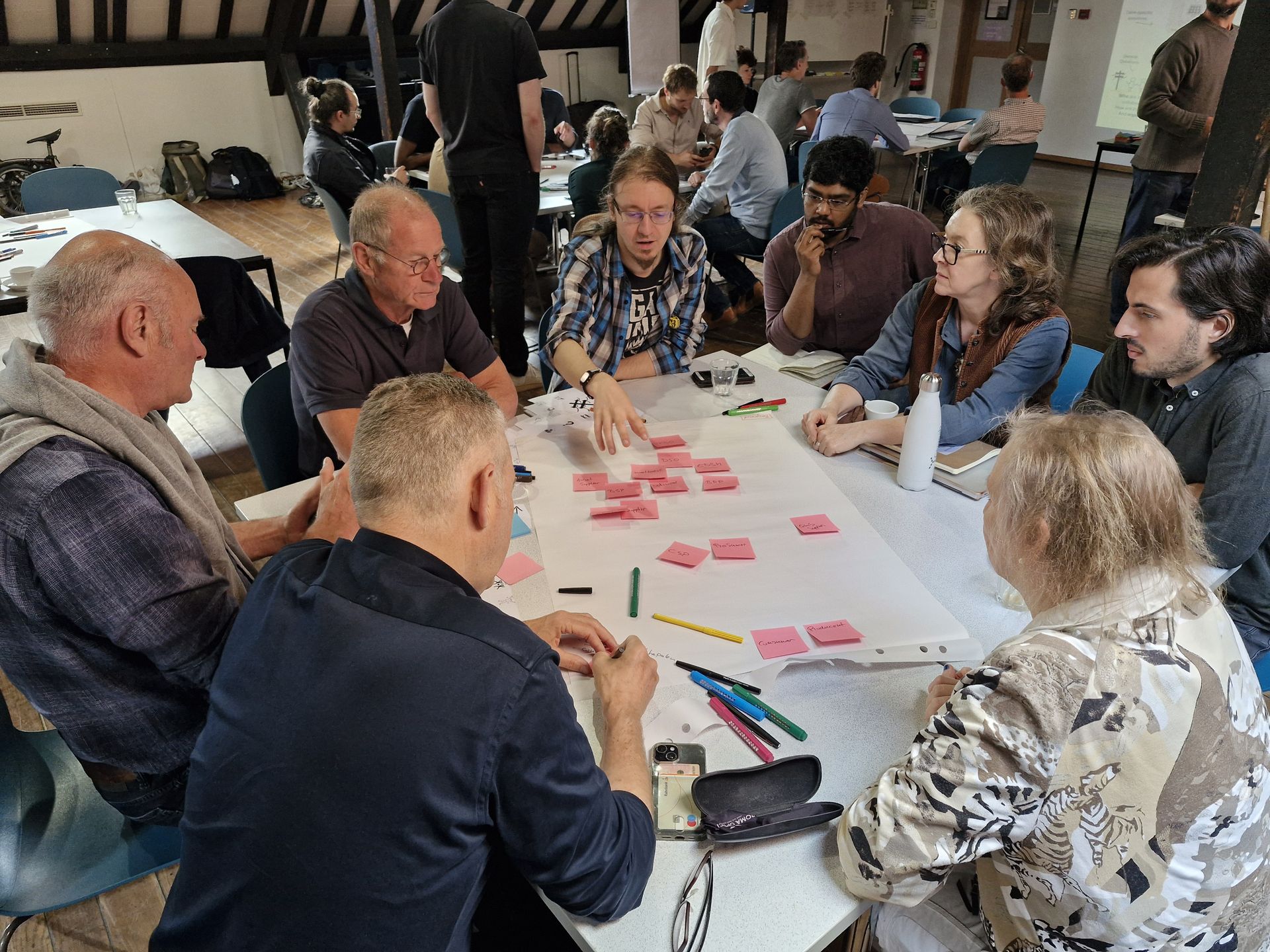
Project partners also explored new ways of thinking collectively to help shape a modular, targeted training programme. TU/e and REScoop.eu led a drawing activity, based on the idea that drawing can be a way of thinking with your hands, a way of looking at things from a different angle. It's also a great way to co-create, allowing everyone to pool their ideas and imagine what SmartCORE could look like in the future.
Diverse expertise at the service of energy flexibility
The SmartCORE project draws on a wide range of expertise in community energy and energy management, spanning from technical systems to social dynamics. This collaboration enables productive exchanges and progress on multiple fronts, helping ensure that effective energy management solutions reach energy communities across North-West Europe and beyond.