During these summer days, everyone is thinking about cooling. The irony is that the technology that keeps you cool this summer can also heat your home this winter.
Europe often talks about heating and cooling as separate challenges, but households don't experience them that way. People want homes that are comfortable, healthy and affordable all year round.
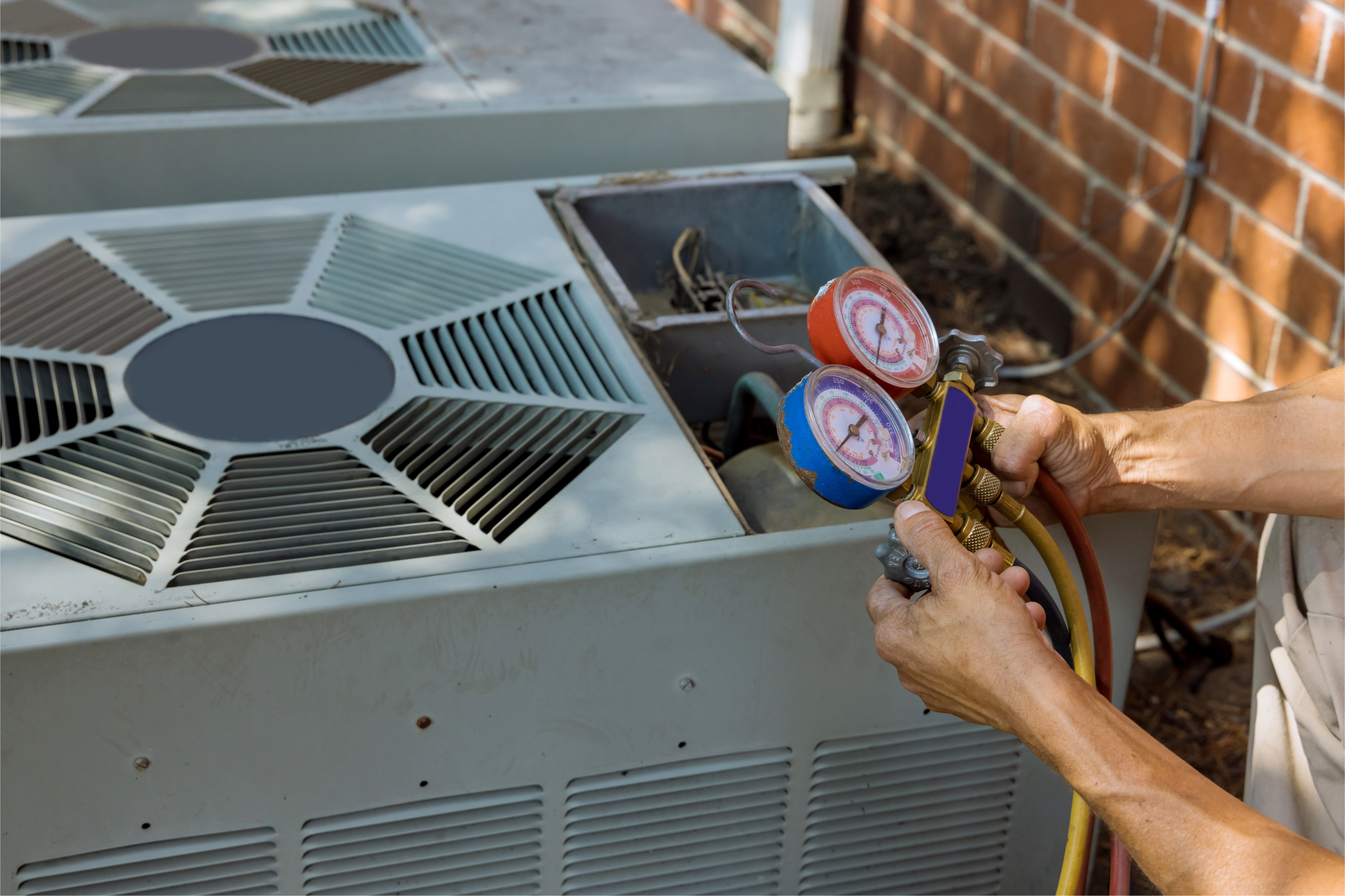
Heat pumps can provide both heating and cooling, offering a clean alternative to fossil fuels when powered by renewable energy. However, on their own, they are simply an efficient technology. Their impact multiplies when energy communities coordinate renewable energy generation, flexible demand and distributed technologies. Such people-powered integration unlocks something much bigger than individual efficiency: an intelligent energy system that benefits both people and the wider electricity network.
What does this intelligent energy system deliver?
Comfort
Homes stay warm in winter and cool during increasingly frequent heatwaves.
Health
More stable indoor temperatures reduce exposure to heat stress and cold homes.
Affordability
Energy communities can better match local renewable generation with local demand, helping members reduce exposure to volatile energy prices while making better use of clean electricity.
Community
Instead of every household acting alone, energy communities coordinate assets, knowledge and investment so members can benefit collectively from the energy transition.
Where flexibility makes the difference
None of these benefits happen automatically. They depend on households, technologies, markets and energy communities working together. That coordinated capability is known as Flexibility.
In practice, flexibility in heating and cooling can mean:
- pre-heating or pre-cooling buildings when renewable electricity is abundant
- storing thermal energy for later use
- charging batteries during periods of high renewable generation
- matching local production and local consumption more effectively
- coordinating thousands of small energy decisions so that, together, they create value for both community members and the wider electricity system
How SmartCORE is putting this into practice
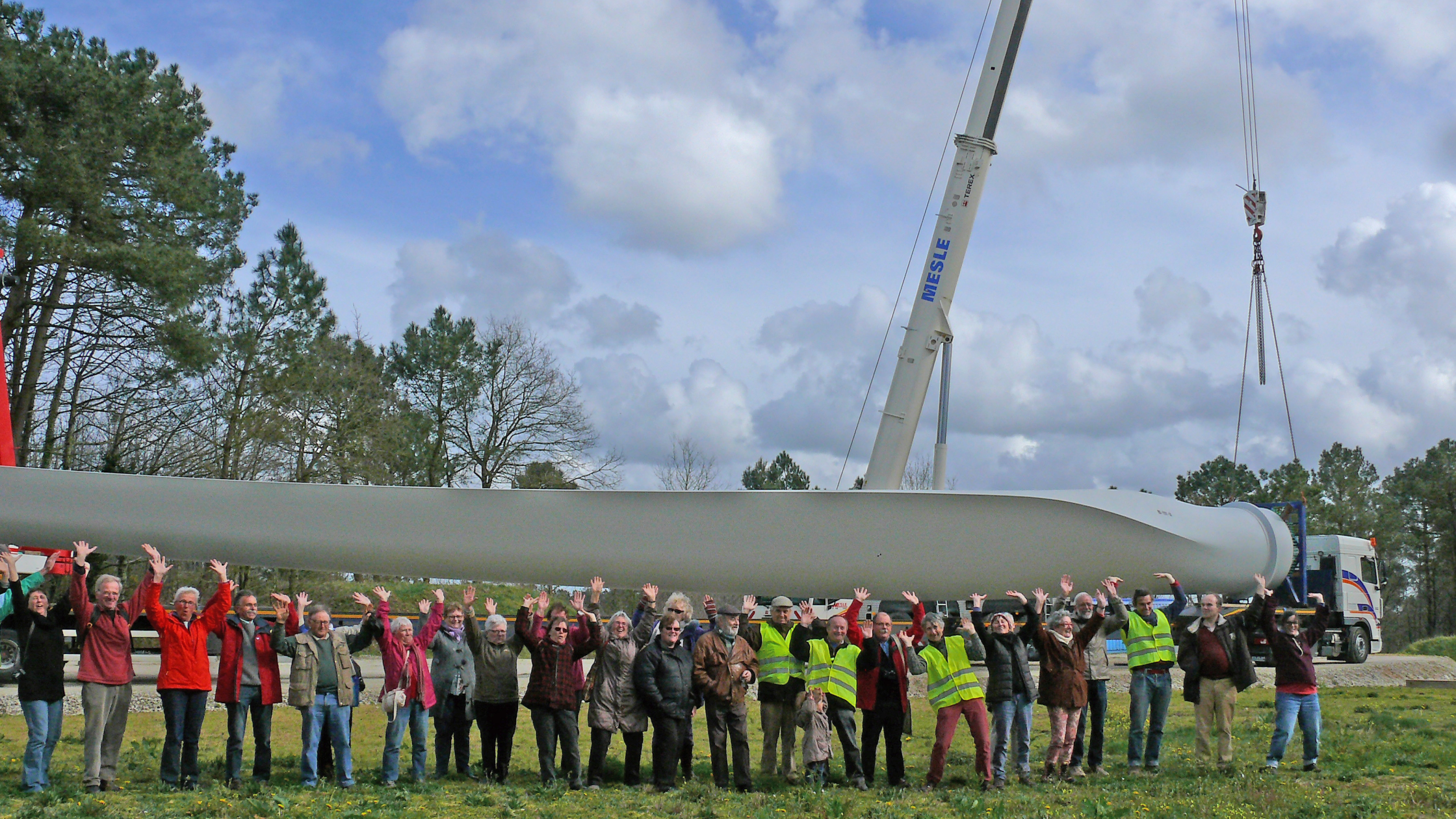
Through pilot projects across North-West Europe, the Interreg NWE SmartCORE project is exploring how energy communities can move beyond generating renewable electricity to coordinating distributed energy resources such as heat pumps, batteries, electric vehicles and energy management systems. The project investigates how this coordination can improve comfort, affordability and resilience for community members while creating new opportunities to support the wider electricity system through flexibility services.
EU policy is increasingly recognising this opportunity
The recently published Electrification Action Plan recognises that electrification is about far more than replacing fossil fuels with electricity. To unlock the full value of technologies like heat pumps, Europe also needs the enabling conditions that allow households and communities to participate actively in the energy system.
That includes:
- smarter electricity tariffs
- wider deployment of smart meters
- digitalisation
- access to flexibility markets
- community energy
- renewable heating and cooling
These are exactly the kinds of enabling conditions that SmartCORE is investigating through its pilot projects across North-West Europe.
Electrification is not the end goal. Better everyday lives are
Heat pumps, smart meters, renewable electricity and digital tools are important technologies, but their real value lies in what they enable: healthier homes, lower bills, stronger communities and a more resilient electricity system. By helping energy communities coordinate these opportunities, SmartCORE is exploring how Europe's clean energy transition can be not only technically smart, but also practical, participatory and socially fair.