Technology is a key component of our SmartCORE pilots. Every pilot is led by an energy community that generates renewable energy and implements strategies to optimise its local consumption. In every country, this energy community works hand in hand with a technical partner that is developing accessible tools to monitor and predict energy production and consumption, with the aim of supporting data-based decision-making and potentially enabling automated control systems. Because our technical partners mostly work behind the scenes, we want to understand the potential of these tools and how they are helping to build more efficient energy systems at community level.
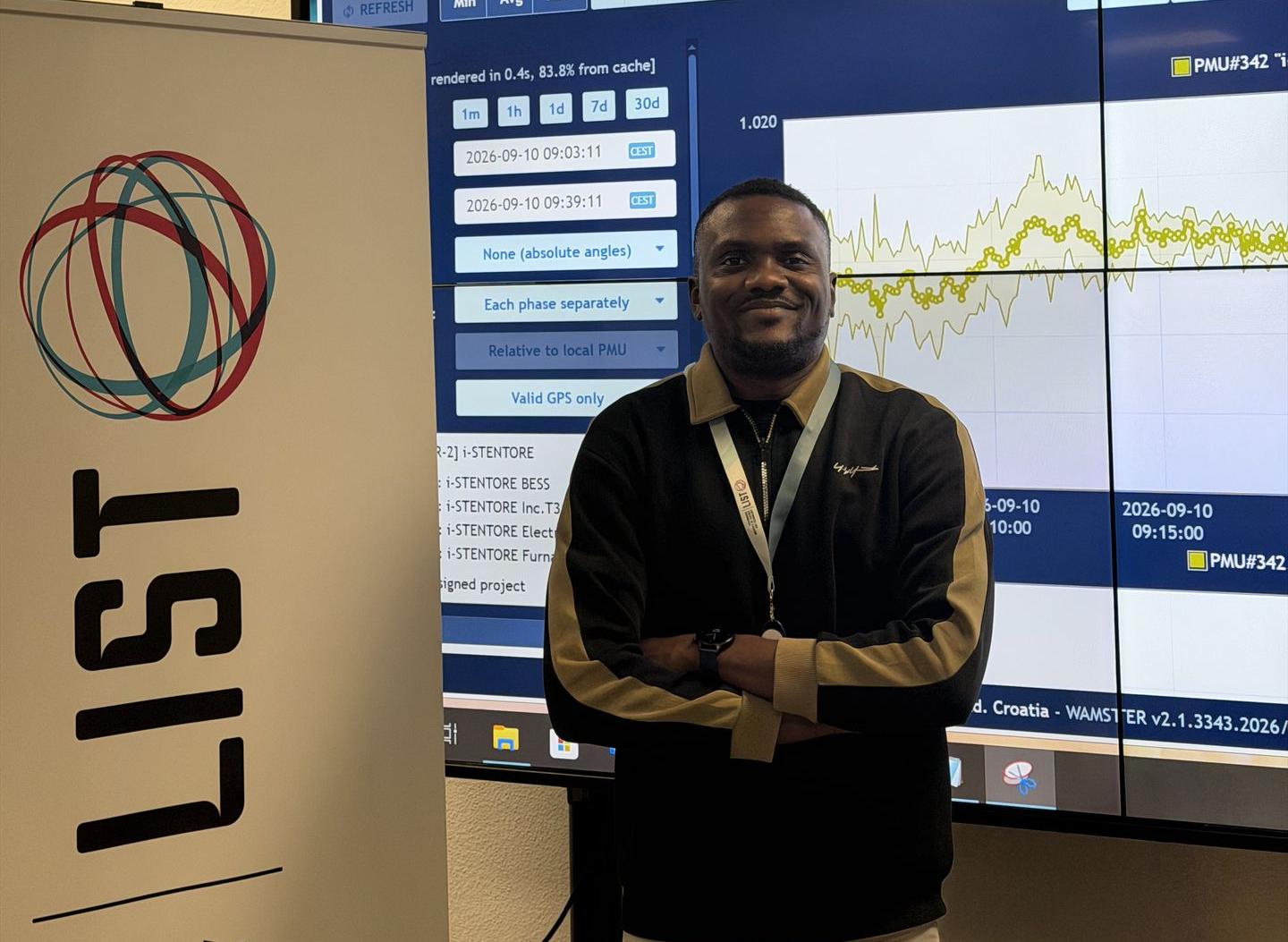
We spoke to Ebenezer Anikwenwa Chukwuemeka, PhD researcher at the Luxembourg Institute of Science and Technology (LIST), our Luxembourgish technical partner. Ebenezer stresses the potential of the interoperable SmartCORE solution to help energy communities coordinate the management of their assets and offer flexibility to the wider energy system, while strengthening their own resilience and energy independence.
What problem is your SmartCORE technology designed to solve for energy communities? What will it enable them to do that they could not easily do before?
Energy communities bring together different assets, devices and digital platforms to monitor their energy production, often from different vendors and using different data formats. This makes coordinated operation difficult.
SmartCORE solution, in the context of the
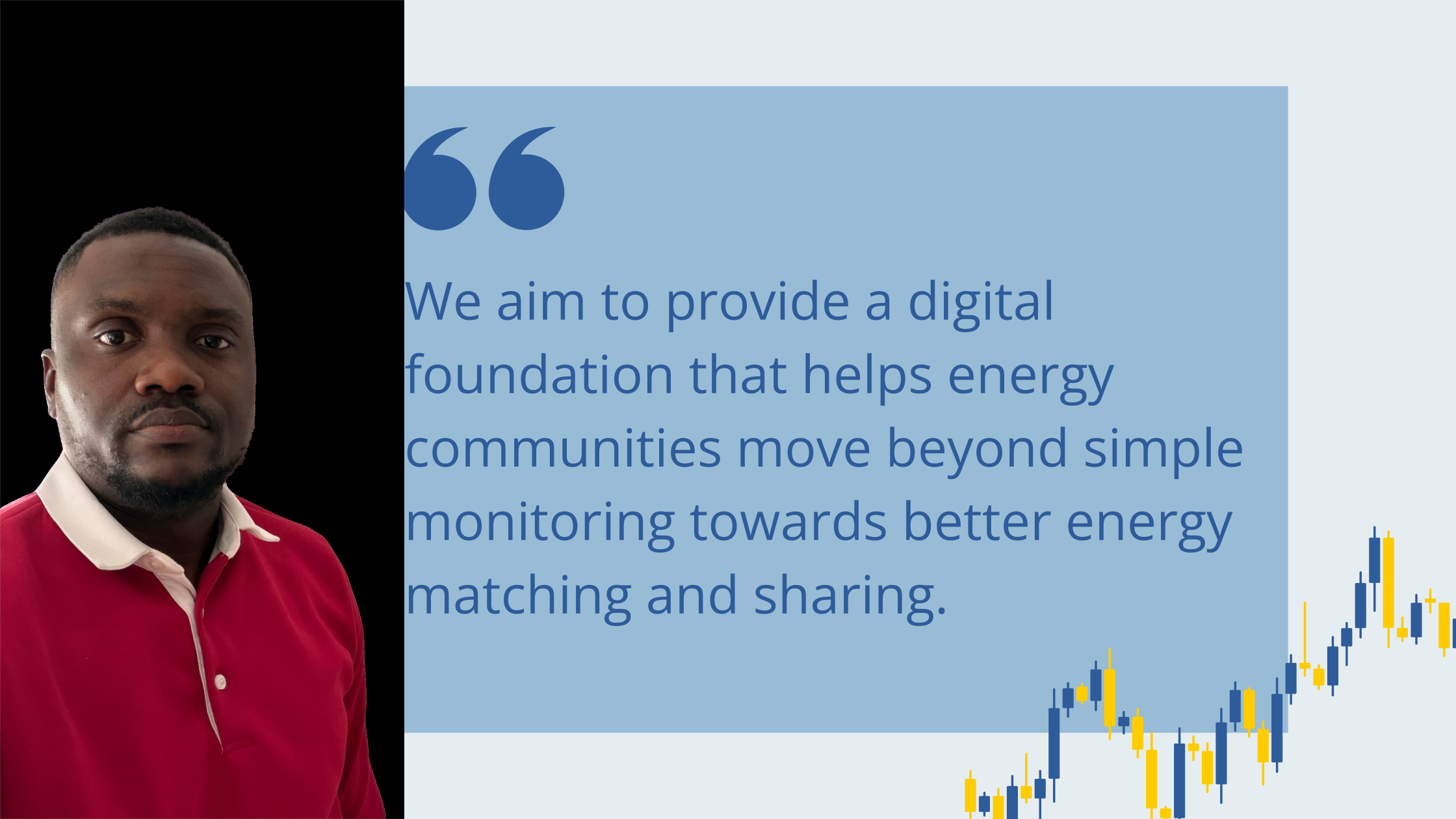
LU pilot, aims to provide a digital foundation that helps energy communities
move beyond simple monitoring towards better energy matching and sharing within
the community, while also enabling them to offer flexibility that supports
wider grid needs, such as congestion management. In doing so, the project can
help communities make better use of local energy resources, increase their
energy independence, and operate in a more professional and resilient way.
What have been the main technical challenges encountered in your pilot so far? What are the proposed solutions?
From an implementation perspective, one of the main challenges we have identified is the heterogeneity of the systems, which often leads to interoperability issues. Different devices, assets and software components can expose similar information using different formats, units and data structures, which makes integration more complex. For example, one provider might represent battery power using the field name kW, while another uses power_kW. Both refer to the same information, but they are represented differently.
Our approach is to test a structured and interoperable data model that we have developed by extending relevant standards, together with mapping and validation mechanisms, so that information from different sources can be represented consistently. This allows us to evaluate the integration approach in a controlled environment before applying it more broadly in the pilot.
Interoperability is a recurring challenge in this sector — different meters, platforms, and standards. How is SmartCORE addressing the challenge and why is interoperability important for energy communities?
Interoperability is fundamental because energy communities typically bring together heterogeneous devices, platforms and vendors that need to work together. Without it, these systems can remain fragmented, making seamless integration and coordinated operation difficult. This can limit a community’s ability to make effective use of its local energy resources, improve its energy independence and contribute flexibility to the wider energy system.
In SmartCORE, the challenge is not only to enable technical data exchange, but also to ensure that different systems interpret that data consistently. To support this, the solution adopts structured data models and semantic approaches that build on existing standards such as CIM and SAREF/SAREF4ENER, providing a common understanding of assets, actors and measurements.
This common understanding is important because interoperability is a key enabler for coordinated services within the context of the SmartCORE solution such as energy matching, energy sharing, congestion management and balancing.
Looking ahead, what do you think energy communities will need from digital tools that they don't have today?
Today, many digital tools help energy communities monitor generation, consumption and the state of their assets. However, the next step is to move beyond monitoring towards intelligent management and coordination.
Energy communities will need digital tools that help them make informed, intelligent and coordinated decisions about the resources available to them. This includes tools for forecasting generation and consumption, assessing the current and future state of assets, and optimizing how those assets are used.
Locally, this can improve energy matching and sharing, while also allowing communities to support the wider energy system through services such as congestion management and balancing.
In our opinion, the future is about moving from digital tools that mainly provide visibility to tools that support intelligent decisions, coordination and action.